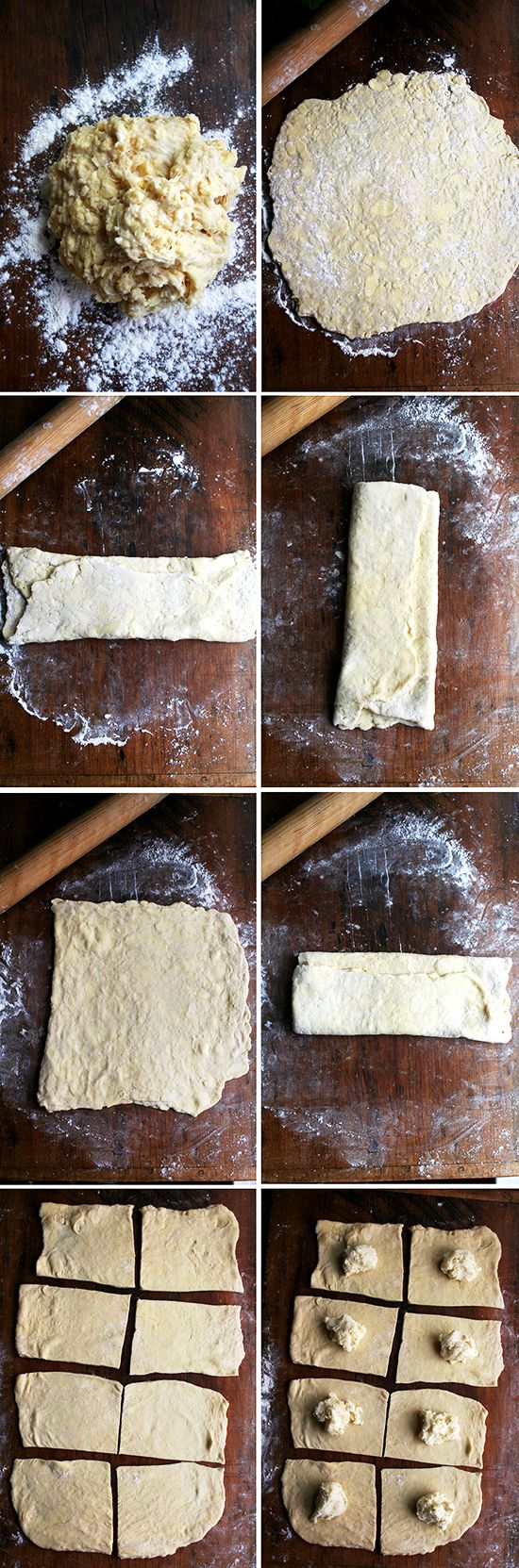
The Allure of Nigella's Processor Danish Pastry – And How to Conquer Its Trickiest Challenge
There's something undeniably captivating about a homemade Danish pastry: layers of tender, buttery dough cradling a luscious filling, finished with a delicate glaze. For many home bakers, the thought of tackling Danish pastry can be daunting, conjuring images of complex laminating and endless chilling. Enter Nigella Lawson, whose ingenious Processor Danish Pastry recipe, famously found in her classic How To Be A Domestic Goddess, demystifies the process by harnessing the power of a food processor. This method makes creating these delightful treats, whether classic Almond Danishes or savory processor danish pastry cheese danishes, remarkably accessible.
However, even with Nigella's simplified approach, a common frustration can arise: those carefully pinched corners of your pastry springing open during baking, leaving an unsightly gap where a neat enclosure should be. It's a vexing problem, especially when you've invested time and effort into shaping and filling. This guide delves into the secrets behind solving these bursting corners, ensuring your homemade processor danish pastry emerges from the oven looking as perfect as it tastes.
Unmasking the Culprits: Oven Heat and Over-Proving
When your Danish pastry corners burst open, it's rarely due to a fault in your initial pinching technique (though we'll cover that too). Instead, the issue often lies in two critical, yet frequently overlooked, aspects of the baking process: an improperly calibrated oven and over-proving the dough. Nigella herself points to these as the primary culprits, and understanding their impact is key to achieving flawless results.
The Overheated Oven: A Recipe for Rupture
Imagine the delicate structure of your dough, laced with tiny gas bubbles from the yeast. When placed in an oven that's too hot, these gas bubbles expand at an alarming rate, far too quickly for the dough's structure to accommodate gracefully. This rapid, uncontrolled expansion puts immense stress on the weakest points of the pastry – typically the pinched corners – causing them to tear and spring open.
- Check Your Calibration: Nigella's recipe specifies an oven temperature of 180°C/350°F. This is crucial. Many home ovens, particularly fan or convection models, can run hotter than their dial indicates or require adjustments. Fan ovens, by design, circulate heat more efficiently, often necessitating a slight reduction in temperature (e.g., 10-20°C/25-50°F) or a shorter baking time. Consult your oven's handbook for specific recommendations on converting conventional temperatures for fan/convection settings.
- Invest in an Oven Thermometer: This is arguably one of the best investments any home baker can make. A simple, inexpensive oven thermometer placed inside your oven will give you an accurate reading, allowing you to adjust your oven dial precisely to Nigella's recommended temperature. Preheating your oven thoroughly and checking the actual temperature before introducing your pastries can make all the difference.
The Perils of Over-Proving: Too Much of a Good Thing
Proving, or fermentation, is where yeast produces carbon dioxide, creating the airy texture we love in bread and pastries. However, there's a delicate balance to strike. If your processor danish pastry dough proves for too long, the gas bubbles within become excessively large. When these super-sized bubbles hit the heat of the oven, their rapid expansion is even more dramatic than with correctly proved dough. The result? The dough simply can't hold it together, leading to those frustrating splits at the seams.
A perfectly proved Danish pastry should have roughly doubled in size and feel like a "marshmallow" – soft and yielding, but with a slight, resilient resistance when gently pressed. If the dough feels overly soft and "pillowy," almost like it's about to collapse, it has likely over-proved. The internal structure is already stretched to its limit, making it highly susceptible to bursting in the oven.
Mastering the Art of Proving and Assembly for Flawless Corners
Preventing burst corners involves a combination of careful dough handling and smart preparation. By fine-tuning your proving technique and adding a simple adhesive, you can significantly improve your success rate.
Achieving the Perfect Prove: It's All About Feel
Proving times are notoriously variable. They depend on several factors, including the initial temperature of your dough, the warmth of your kitchen environment, and even the humidity. While a recipe might suggest a proving duration, it's crucial to rely more on the visual and tactile cues of the dough itself.
- Monitor Regularly: Begin checking your pastries after about 45 minutes of proving. Don't set a timer for the full suggested time and walk away. Gentle observation is key.
- The Marshmallow Test: As Nigella advises, aim for that "marshmallow" texture. The dough should be soft and puffy, having doubled in size, but still possess a subtle bounce-back when lightly poked. If your finger leaves an indentation that slowly fills back, you're likely in the sweet spot. If the indentation springs back immediately or, conversely, remains sunken, adjustments are needed.
- Control Your Environment: A consistent proving environment can help. Some bakers create a makeshift proving box by turning off their oven, placing the pastries inside with the oven light on (the light provides gentle warmth), or by proving in a slightly warm, draft-free spot. For more in-depth insights into this critical step, refer to our article on Nigella's Danish Pastry: Master Proving & Prevent Splits.
The Secret Weapon: Egg Wash as Adhesive
Beyond optimal proving, a simple trick can provide extra insurance for those corners: a little egg wash. Before you bring the corners together and pinch them, brush a thin layer of egg wash (typically a beaten egg, sometimes with a dash of milk or water) onto the inside surfaces of the dough that will meet. This creates a powerful adhesive effect.
- How it Works: The protein in the egg acts like a culinary glue. When the egg-washed surfaces are pressed together, they form a stronger bond than dry dough alone. As the pastry bakes, this egg-reinforced seam is far more resilient to the internal pressure from expanding gases, helping the corners to stay fused.
- Application Tip: Use a pastry brush to apply a thin, even coat of egg wash only on the areas you intend to pinch together. Avoid getting too much on the outer surfaces until the final brushing before baking, as this can affect browning.
Beyond Almonds: Crafting Delicious Processor Danish Pastry, including Cheese Danishes
The beauty of Nigella's processor danish pastry lies not just in its ease of preparation but also in its incredible versatility. Once you've mastered the technique for flawless corners, a world of fillings opens up to you. While her Almond Danish is a beloved classic, the dough is equally perfect for creating an array of other delightful pastries, including the incredibly popular processor danish pastry cheese danishes.
- Classic Cream Cheese Danishes: For a truly decadent experience, a simple filling of softened cream cheese, sugar, a touch of vanilla, and perhaps a hint of lemon zest is a revelation. You can pipe it into the center of your shaped pastry squares or dollop it generously before folding. A final flourish of fruit, like berries or chopped apricots, adds both color and an extra layer of flavor.
- Sweet & Savory Explorations: Don't limit yourself to sweet fillings! This versatile dough can also be adapted for savory pastries. Imagine a delicate Danish filled with feta and spinach, or even a mini quiche-style filling. The slightly sweet, buttery dough pairs surprisingly well with a hint of saltiness.
- Fruit Fantasies: Beyond almonds and cheese, consider seasonal fruit fillings. Stewed apples with cinnamon, poached pears, or a vibrant cherry compote all make spectacular fillings. A simple custard base can also be used, topped with fresh fruit after baking.
One of the brilliant aspects mentioned in the original context of Nigella's recipe is that it often yields more dough than you might need for a single batch of pastries. This extra dough can be frozen for a later date, making spontaneous Danish pastry cravings easily satisfiable. Simply thaw overnight in the refrigerator, and proceed with shaping, filling, and proving. This thoughtful feature further cements the processor danish pastry as a staple for any home baker.
Conclusion
Crafting perfect Danish pastries with unburst corners, whether you're making Nigella's Almond Danishes or indulging in luscious processor danish pastry cheese danishes, is an achievable goal for any home baker. The key lies in understanding and controlling the subtle dynamics of baking. By ensuring your oven is accurately calibrated, meticulously monitoring the proving process for that ideal "marshmallow" texture, and employing the simple yet effective trick of an egg wash adhesive, you can confidently transform your efforts into bakery-quality results. Nigella's food processor method has already streamlined the dough-making; now, with these insights, you're empowered to conquer the final hurdle and consistently produce beautiful, delicious Danish pastries that are a true testament to your skill.
